
A founder sits in a glass conference room with thirty finished Figma screens on an iPad. Nobody has yet defined the database relations underneath them, or checked whether background location tracking would drain the phone battery in twenty minutes.
Building a mobile app for startups requires treating the client application as an interface rather than the entire product. When early stage development begins with visual polish instead of workflow validation, teams burn their runway fixing synchronization errors and rewriting brittle clients.
From user story validation and MVP scoping through architecture choices and release engineering to team structure, this guide defines the technical decisions that keep a mobile build lean, stable and ready to scale.
Reading time: 15 min
Key points
- The mobile client is an interface, not the product. Your workflow, data model and backend contracts determine whether the business scales.
- Validate one narrow user story end-to-end before committing engineering resources to two codebases.
- Cross-platform frameworks win for most early consumer builds; native Swift and Kotlin only pay off with deep hardware integration.
- Instrument activation, retention and crash telemetry on day one, because most installed applications are abandoned within three days of download.
Table of contents
Why the mobile app is rarely the product
Many teams treat the interface as the business. The interface is just a remote control for your database. The actual product combines your workflow and data model with your domain logic and distribution engine. If your backend cannot handle asynchronous state or offline conflicts, a beautiful iOS client will not save the business.
A common failure mode in early stage development is polishing buttons while API boundaries remain undefined. Founders often arrive asking for animations and custom transitions. Tech leads need something simpler, which is one measurable job to be done, backed by a thin functional slice through the database and network layer.
Launching a mobile app for startups means establishing a production path from discovery to first release. When you lock down user stories and data schemas first, building screens becomes a predictable routine.
When a mobile app makes sense as your first build
A mobile client is the correct first build only when core value depends on device hardware or constant physical mobility. Hardware features such as camera scanning and background location justify mobile investments. Bluetooth peripherals and on-device sensors also require phone-native capabilities, as do field workflows where workers enter data without reliable internet connections.
Internal business tools and low-frequency administrative workflows validate faster on the web. Web applications avoid app store review queues and let you patch critical bugs in minutes instead of days. If users log into your platform once a week from a desktop computer, starting with mobile burns engineering capacity without creating user value.
Every team building an app for entrepreneurs should write a one-page memo explaining why mobile must come first. If that memo depends on vanity arguments about app store prestige, build a web app instead.
How to validate user stories before building on iOS and Android
Building simultaneously for iOS and Android before proving user demand doubles your burn rate. Startups reduce risk by validating a single narrow user story end-to-end before committing engineering resources to two codebases. A valid target requires one primary flow, one activation event, and one clear retention signal.
Consider a field inspection product.
The user captures equipment data on site, syncs when connectivity returns and generates a structured report. If workers abandon the report step, adding social login or push notifications is wasted effort.
Your validation deliverable should be a clickable Figma prototype paired with a technical spike. The spike tests the riskiest technical constraint, such as background Bluetooth pairing or local database encryption.
What belongs in an MVP scope that survives real users
An MVP must be the smallest production release that yields trustworthy usage data. It is never just a stripped-down collection of screens. If you cannot track user drop-off or diagnose client crashes, your launch teaches you nothing.
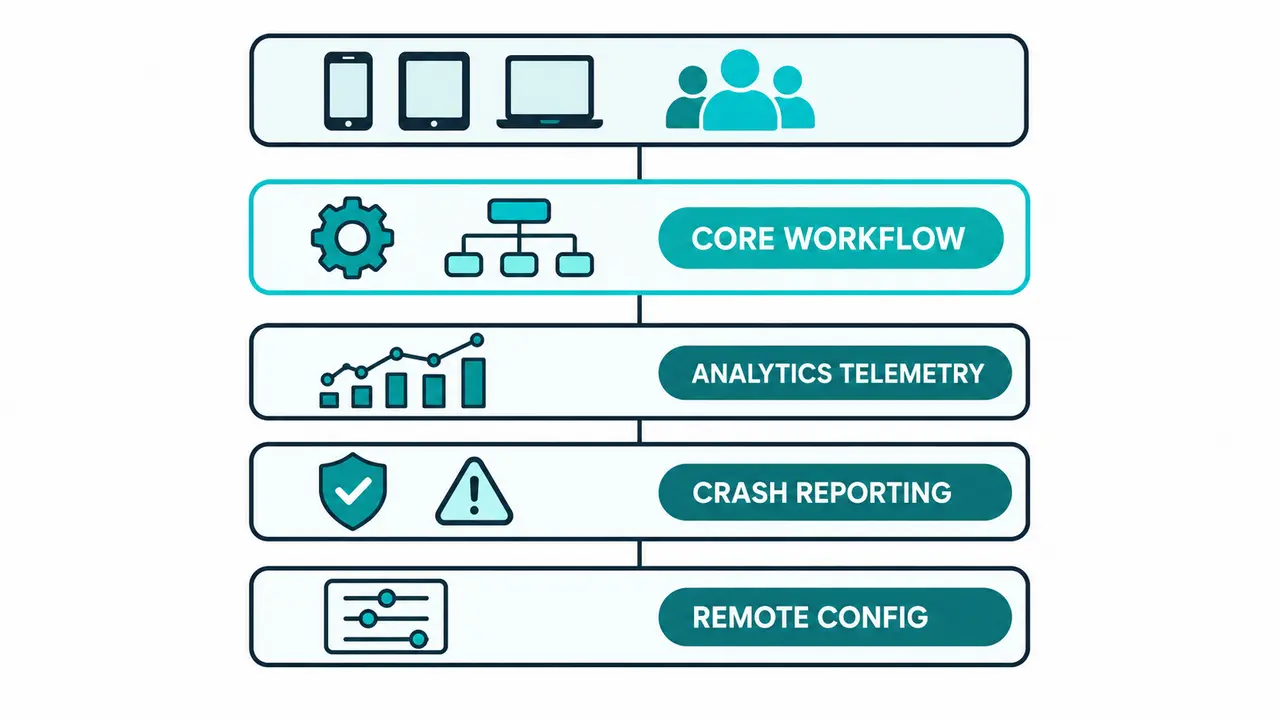
Teams routinely omit critical operational plumbing during early builds. Every release needs structured analytics events, crash reporting through tools like Sentry and an automated rollback plan. You also need remote configuration so you can disable broken features without waiting forty-eight hours for Apple or Google review cycles. Building an extensible architecture lets your team iterate rapidly after launch instead of scrapping your codebase.
Most installed applications are abandoned within three days of download. High uninstall rates make deep instrumentation necessary on day one. You do not need twenty secondary screens, but you must measure every step of your core onboarding funnel accurately.
Should early stage startups choose native or cross-platform
Cross-platform frameworks like React Native or Flutter provide the fastest path to a credible release. Native Swift and Kotlin become necessary when your product requires deep hardware integration, complex audio processing or sustained sixty-frame animations. Building separate native applications doubles your QA surface and divides your team across distinct language ecosystems. Unless your core market differentiator lives inside native camera pipelines or proprietary Bluetooth drivers, native-first development slows iteration speed during discovery.
This decision framework compares how client architectures align with early technical risks.
| Architecture | Initial Speed | Maintenance Burden | Best Use Case |
|---|---|---|---|
| React Native or Flutter | Fast single codebase | Shared logic and unified UI | Standard workflows, forms, and content apps |
| Native Swift and Kotlin | Slower parallel tracks | Separate codebases and QA | Real-time audio, heavy sensors, and custom shaders |
| Hybrid Web View | Fastest setup | Poor gesture handling | Internal dashboards and temporary prototypes |
For most early consumer builds, cross-platform architecture is the clear winner because it consolidates feature delivery into a single engineering cadence. Start cross-platform unless your core value requires low-level operating system APIs. Keep domain logic decoupled from UI components so you can extract native modules later without rewriting backend contracts. This modular discipline protects your roadmap when platform-specific performance bottlenecks emerge.
Mobile backend architecture decisions that prevent rewrites
Most mobile applications fail at scale because of backend contract mistakes rather than UI bugs. When client developers hardcode business logic into views, any backend schema migration breaks previous application versions already installed on user devices. Feature velocity collapses when every new screen requires an emergency backend refactoring.
Our engineers isolate domain services into separate modules for authentication and user profiles alongside core business entities. Enforcing OpenAPI contracts and strict semantic versioning ensures that older app releases continue operating while your team ships new features.
Early stage systems benefit when engineering teams provide end-to-end software solutions that coordinate client interfaces with cloud data pipelines. Managing the API gateway and database schema alongside the mobile client eliminates version mismatches and keeps delivery velocity high across release cycles.
Security and privacy checks that block app store approvals
App store review rejections often stem from careless permission handling and ambiguous data privacy disclosures. Apple and Google examine whether requested permissions match visible product features. Request hardware permissions only at the moment of context. Asking for camera access and location tracking immediately on first launch guarantees user skepticism and store review delays.
Store user credentials and authentication tokens in secure hardware storage, using Keychain on iOS and EncryptedSharedPreferences on Android. Basic threat modeling for account takeover and session hijacking must be completed before submitting your first binary. Fixing security oversights after store rejection causes painful rework across mobile code, backend services and privacy policies.
Maintain an explicit data inventory table mapping every collected field to its business purpose and storage destination. A disciplined privacy posture builds user trust and speeds app store approval.
Mobile app analytics metrics that track real retention
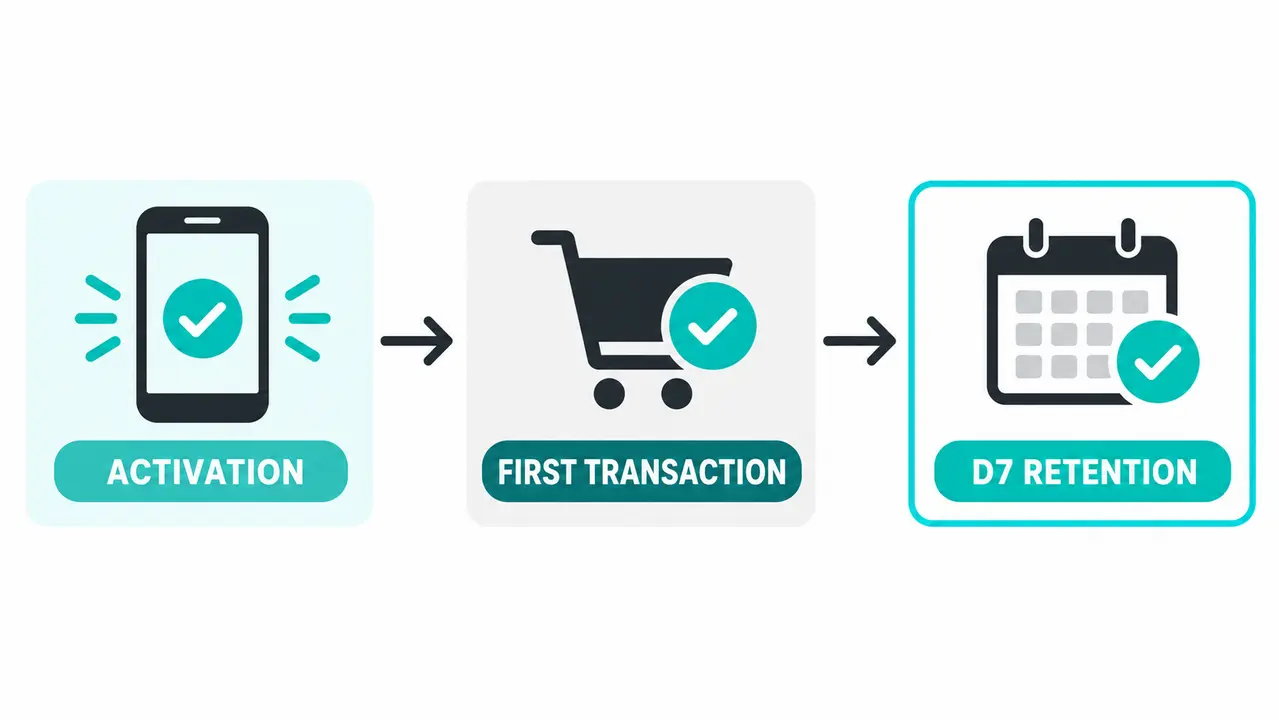
Tracking generic screen views produces data swamps that answer no practical questions. Startups must instrument events around concrete user choices, specifically activation completion, first transaction success and second-week return rates. Assigning explicit ownership over event definitions ensures your metrics remain dependable after major product pivots.
Establish strict event naming conventions early. Using a pattern like object-action-context prevents tracking chaos as multiple engineers commit code. For example, logging invoice creation with network status tells you far more about user behavior than a generic button click event.
Crash reporting and performance monitoring must live alongside product analytics as part of a single truth system. When onboarding drop-off spikes by twenty percent, you must quickly distinguish between confusing copy and a silent network timeout on specific Android devices. Connect your crash telemetry directly to your error tracking dashboard to protect user retention.
Mobile release engineering practices to avoid bad rollouts
Mobile software deployment requires defensive habits because client updates cannot be retracted instantly from user phones. A broken web deployment takes thirty seconds to revert. A broken mobile release remains on thousands of devices until users manually download an update.
Mitigate rollout risk with staged release percentages in Google Play and phased releases in the Apple App Store. Pair gradual rollouts with server-driven feature flags using tools like Flagsmith or LaunchDarkly. If a fatal crash occurs in a new checkout flow, disabling the feature flag stops the bleeding within seconds without an emergency binary submission. When shipping becomes traumatic, engineering teams stop deploying frequently and commercial momentum dies.
Your definition of done must include automated regression tests on core workflows and build signing via continuous integration. Automating build pipelines with GitHub Actions or Fastlane prevents human packaging mistakes during stressful release windows.
Lightweight design systems that speed up early app builds
A lightweight design system reduces engineering rework by making UI decisions reusable across screens and platforms. Rather than designing every view from scratch, developers assemble screens using standardized components.
Keep your early design system focused on essentials. Define a consistent type scale alongside an eight-point spacing grid. Build reusable primitives for form inputs, empty states and error alerts. Every form component should handle loading states, validation errors and disabled buttons out of the box.
Over-investing in custom brand illustrations before finding product-market fit burns runway on assets you will discard after your first major pivot. Standardized component libraries serve as technical assets rather than mere visual guidelines. When error states and network retry buttons exist as tested UI blocks, your engineers spend less time styling widgets and more time perfecting data synchronization.
Technical discovery outputs software teams actually need
Effective discovery produces technical constraints that reduce ambiguity for developers, not decorative presentation decks. If a discovery phase ends without clear acceptance criteria and database schemas, development becomes an expensive guessing game. When teams skip rigorous discovery, feature bloat and shifting priorities inflate sprint timelines.
Technical leaders require specific documentation before writing production code.
These deliverables include prioritized user stories with testable boundaries, a system context diagram, draft API specifications and an explicit milestone schedule. Write a strict list of features that your team will not build during the first phase. Documenting negative scope protects your budget from gradual creep. Create an architectural decision record for every major technical selection, explaining why you chose a specific database or communication protocol over its alternatives. Clear engineering artifacts establish shared accountability between product managers and developers.
Why mobile QA breaks on real devices
Testing an application on a desktop simulator fails to expose the physical realities of mobile usage. Real devices run out of battery or lose cellular signal in elevators. They receive phone calls mid-transaction and terminate background tasks under memory pressure. Low storage conditions also cause local SQLite databases to fail silently when caching offline data.
Operating system updates frequently revoke runtime permissions or restrict background network execution. If your team tests only on current iPhones over office Wi-Fi, you will miss severe memory leaks and rendering failures that plague budget Android hardware. Support ticket spikes following release steal engineering focus and drain product momentum.
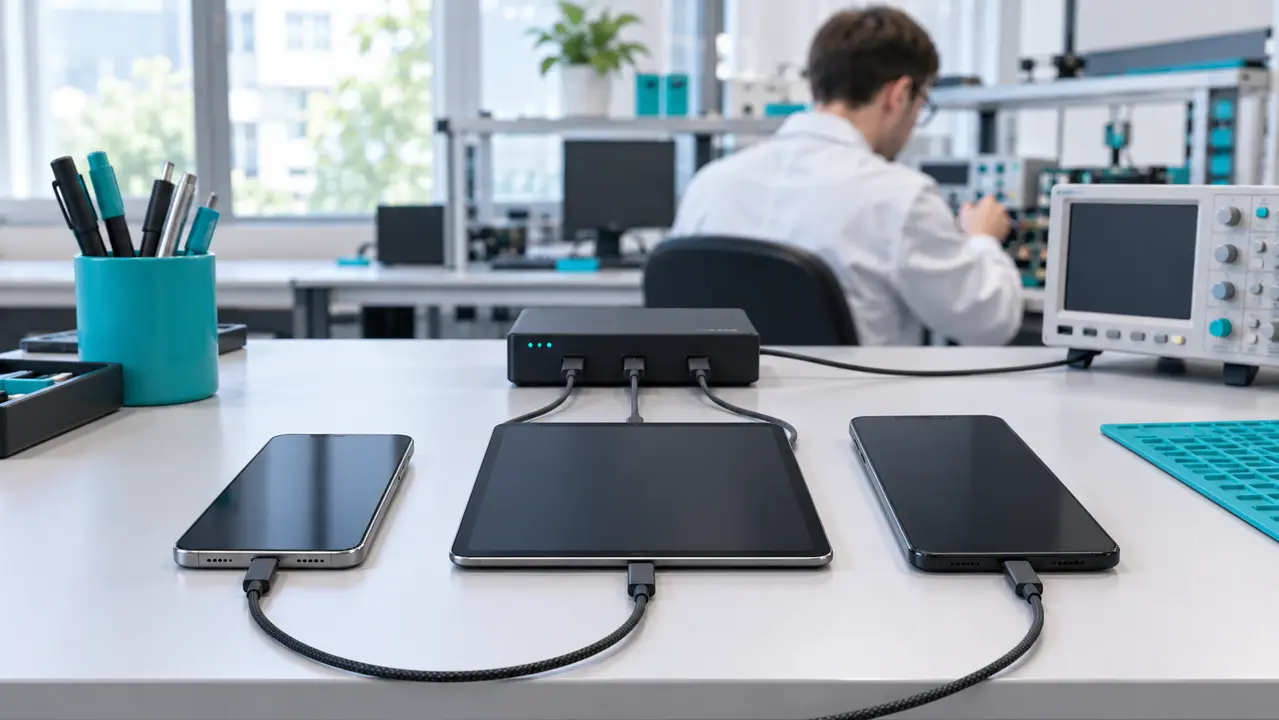
Define a pragmatic testing matrix before launch. Test your release across top iOS devices, three prominent Android screen densities and at least one low-end phone running on throttled 3G connectivity.
Software engineering team structure for startup mobile apps
Fast engineering teams maintain explicit technical ownership. Confusion over who approves architecture changes or signs off on releases creates quality drift and technical debt. Fuzzy ownership in hybrid engineering setups leads to unreviewed pull requests and conflicting data models.
A functioning mobile project requires clear responsibilities for product direction, technical leadership, quality assurance and release management. Even in small squads where engineers wear multiple hats, one person must hold authority over backend API contracts and database migrations.
When scaling through external partners, integration matters more than headcount. Our dedicated software engineering teams operate as direct extensions of your internal technical leadership, aligning with your repository conventions and delivery rituals. Holding a weekly demo and maintaining a written decision log keeps external developers and internal founders perfectly aligned.
Engineering engagement models for early stage software builds
Early stage founders face difficult tradeoffs when assembling engineering capacity under tight capital constraints. Hiring an in-house team from scratch takes months, while conventional staff augmentation often leaves strategic architecture unguided. In their 2024/2025 study, Whitelane Research found that 33% of organizations in Europe plan to increase IT spending on external providers over the next two years, driven by access to talent (51%) and scalability (50%).
Choosing the right model depends on your existing technical management and delivery cadence.
| Model | Ramp Time | Strategic Guidance | Best Fit |
|---|---|---|---|
| In-House Hiring | Three to six months | Full internal ownership | Core proprietary algorithms and long-term IP |
| Staff Augmentation | Two to four weeks | Minimal external input | Temporary capacity for well-defined tasks |
| Embedded Delivery Team | One to three weeks | High architectural leadership | End-to-end product delivery with shared standards |
Staff augmentation fails when a startup lacks seasoned internal engineering leadership to direct daily tasks. Embedded delivery teams provide architecture guidance alongside code execution, helping founders ship reliable software without burning time on protracted recruitment cycles. This structure keeps product ownership internal while scaling execution capacity through a cohesive external squad that takes direct responsibility for code quality.
How to build documentation for handover from day one
Startups should assume their engineering roster will change across funding rounds. When knowledge stays locked inside one developer’s head, an unexpected departure stalls development and threatens technical due diligence during investor audits. Avoid bloated documentation wikis that fall out of date within weeks. Focus instead on practical operational guides that explain how to run, test and debug the system.
High engineering turnover or key departures create an immediate bus factor risk if local environments require oral tradition to configure. Maintain an architecture overview diagram alongside an onboarding checklist, repository setup scripts and automated continuous integration configurations. Document every third-party service credential and mobile provisioning profile in a secure team vault. Clear runbooks make team expansion routine rather than traumatic, allowing new engineers to submit verified code on their third working day.
Using AI coding tools without losing software quality
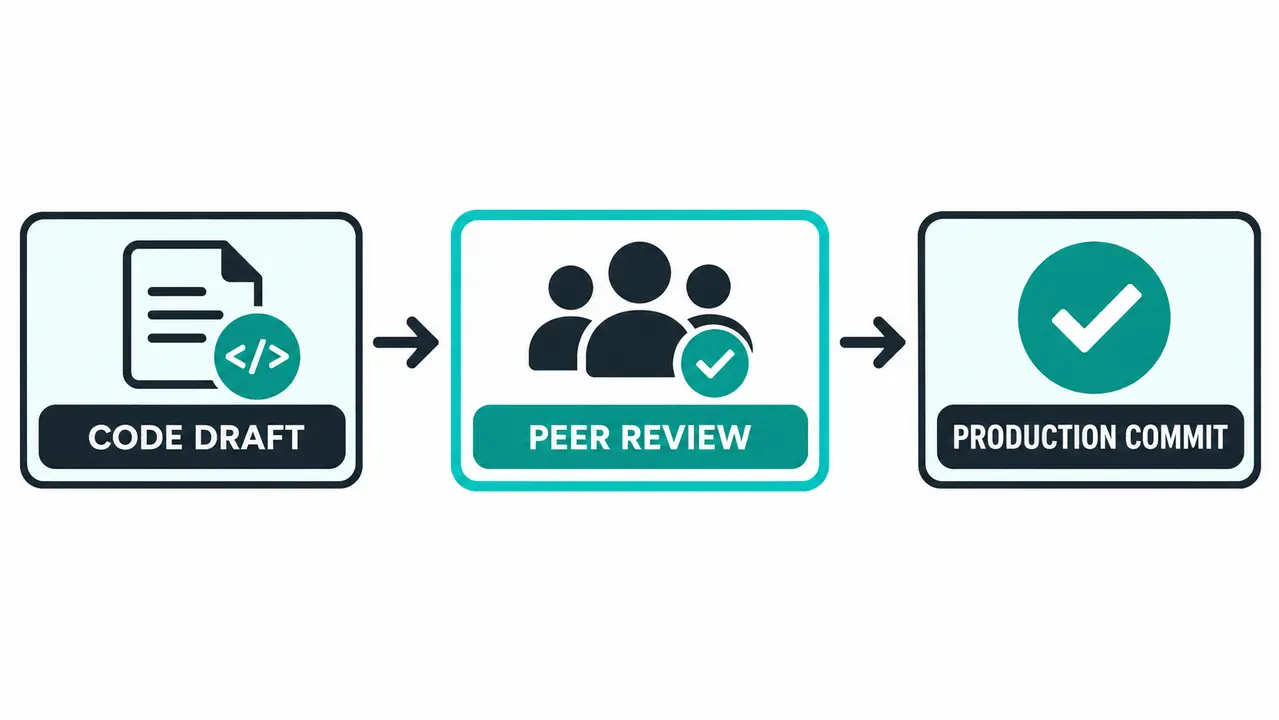
Generative coding assistants accelerate boilerplate generation and test writing when used with strict review standards. They degrade codebase integrity when treated as replacements for architectural thinking. Disciplined teams treat machine output as an unverified draft requiring rigorous peer evaluation.
Safe usage patterns include generating initial schema mocks, scaffolding repetitive UI views and proposing test cases for edge conditions. Pasting AI-generated code directly into production without threat modeling introduces subtle logic flaws, memory leaks and dependency risks that compromise future scale.
At Sentice, our engineers use modern AI coding tools to accelerate delivery while enforcing mandatory pull request reviews and static analysis checks. Automated linters, strict typing and comprehensive integration tests help keep increased coding speed from weakening long-term maintainability and keep production repositories audit-ready.
Architectural signals that tell you to rebuild an app
Rebuild decisions must stem from measurable operational friction rather than aesthetic boredom or team turnover. Rewriting an application from scratch is a high-risk gamble that halts feature delivery for months. Complete rewrites are justified only when your underlying data structure prevents core business transactions and incremental isolation is impossible.
Legitimate warning signs include climbing release cycle times, regression bugs appearing in unrelated features and elevated crash rates linked to structural state mismanagement. If adding a single field to a checkout form requires altering five database tables and three network abstractions, your architecture has reached its limit.
Avoid total rewrites whenever possible.
The superior path isolates troubled features into modular services, stabilizes their network contracts and migrates screens incrementally. Progressive refactoring preserves existing business revenue while modernizing your underlying technology stack.
Frequently asked questions
What should a startup prepare before talking to a mobile development partner?
Bring a validated primary user story, target audience definitions and your core success metric. A concise scope document helps you evaluate engineering partners quickly in a competitive talent market.
Should early stage startups build for iOS or Android first?
Launch on the operating system where your target audience concentrates and where user feedback loops are fastest. Consumer applications in Western markets frequently validate faster on iOS, while enterprise field tools or emerging market services often require Android distribution. Avoid dual-platform native builds until your core activation workflow is proven.
How can a startup prevent costly rewrites after the initial MVP launch?
Decouple domain logic from mobile UI components and establish strict OpenAPI contracts between your client and backend services. When your data models and business rules live behind versioned endpoints, you can redesign client interfaces without rebuilding cloud infrastructure.
What core product metrics should mobile teams instrument on day one?
Track activation completion rates, core workflow success percentages, day-seven retention and crash-free session ratios. Studying client success stories shows that startups measuring these four indicators make faster, data-driven product adjustments after release.
Next steps for your mobile build
A successful mobile application is an accessible interface connected to a disciplined product engine. Audit your current MVP scope today and add the operational monitoring, telemetry events and rollback safeguards that protect early user retention. Sentice provides embedded technical leadership and experienced delivery squads to help founders build resilient software from day one. Map your core user story to a versioned backend contract before writing your first client interface screen.
Map your mobile build with senior engineers
Our embedded squads work as an extension of your technical leadership, from discovery and architecture through release engineering. Tell us where your build stands and we will scope the path to a stable first release.
About Sentice

Sentice is a boutique software engineering partner founded in 2013 by Roni Levi and Martin Petkovic, now headquartered in Skopje, North Macedonia. Rather than supplying individual developers, we build embedded teams that blend with a client’s culture, tech stack and goals, working together from a single office under our own technical leadership. We deliver dedicated software engineering teams, end-to-end software solutions, product development, and system and embedded engineering, and we act as technical advisors across the full development lifecycle, from specification and architecture through development, testing and support. We use AI coding tools across every project, and we help clients integrate AI into their own products through chatbots, MCP services, connected application layers and workflow automation. Some of the clients we started with more than a decade ago are still building with us today.
Contact: info@sentice.com · +389 70 307 837